.png)


More Than a Word
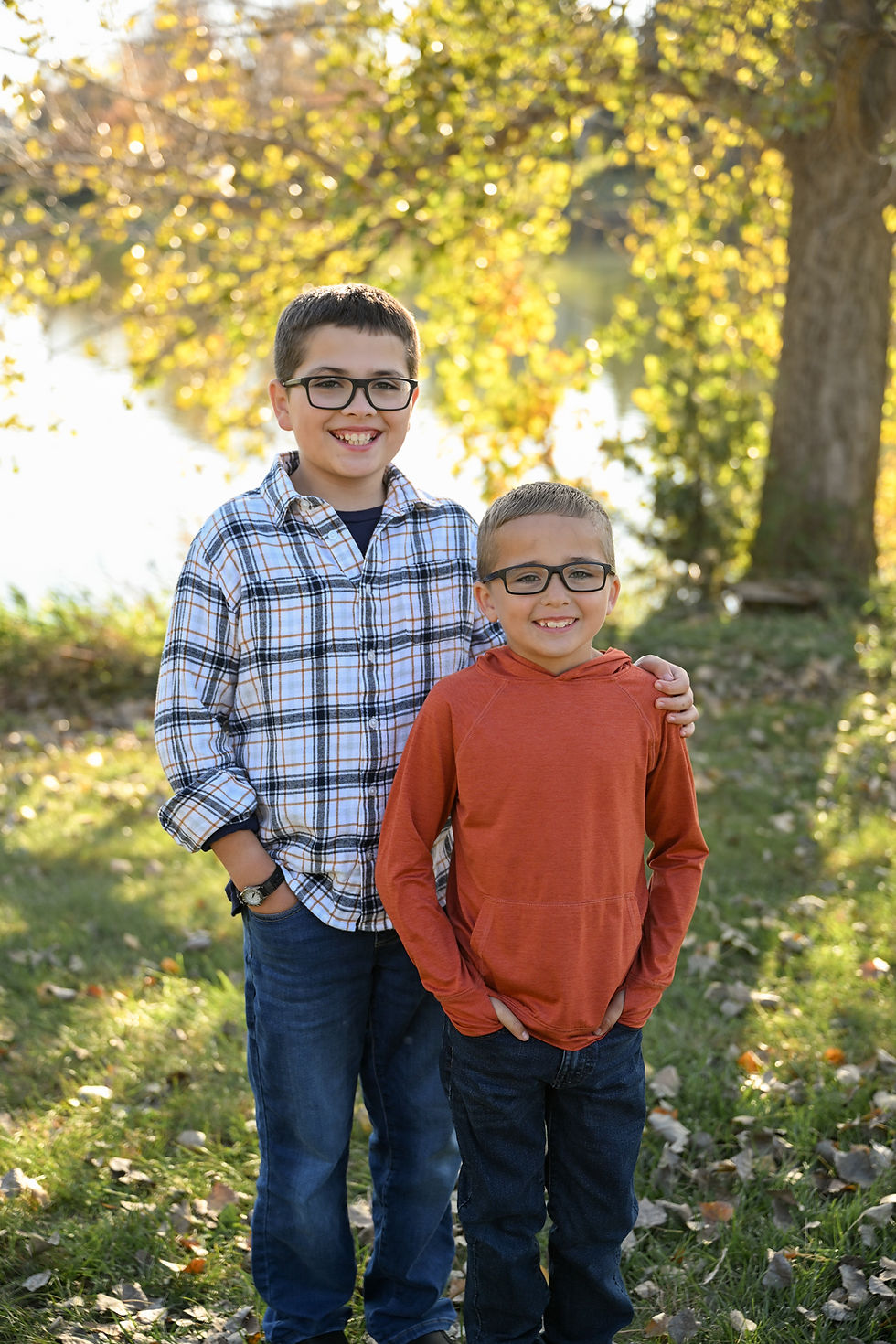
This year, I traded my trusty Pandora for a Spotify subscription. It was a small change that made music more readily available to our family. As a result, choosing the morning music has become part of our routine as I drive the boys to school.
This has also given Dawson the opportunity to explore more music that interests him. Slowly, he has transitioned from rock to rap. Some songs have become favorites, and I have enjoyed watching him improve his ability to keep up with the fast-paced lyrics of the songs he loves.
But with a new genre of music comes the occasional unfamiliar song in the queue. And sometimes, those songs lead to conversations I wasn't expecting.
As we were talking about a few things while a new song played, Dawson paused and asked, “Mom, what does re***ded mean?”
My first instinct was to scold him. Instead, I asked where he had heard it. He explained that it had just been said in the song playing.
So, with one minute left before I dropped him off at school, I had to try to explain the hurt and hatred that word carries.
I explained that it used to be a word people used to describe those with intellectual disabilities. But over time, it became a cruel way to insult people, as if having special needs were something wrong or something to be ashamed of. Now, people use it to describe things they hate, things they disagree with, or people they want to put down.
And that's part of what makes this word so hurtful. Even when someone isn't directing it at a person with special needs, they are using a word with a history of demeaning people. They're using it to express hatred, disgust, or disrespect, and that history doesn't disappear just because the person saying it isn't thinking about it.
Dawson, being a very proud autistic person, quickly understood why I reacted the way I did. He shared that he had no idea, and I believe him. He had heard a word in a song and asked his mom what it meant.
When I explained that we don't use that word in our house and that I expected neither of my boys to use it, they both understood the impact just one word could have.
But the truth is, this was a word I had hoped we could avoid for a little longer. I hoped we could surround ourselves with people who value those with special needs and wouldn't use language that demeans them. Unfortunately, this word remains part of our everyday world, and I knew it was only a matter of time before Dawson encountered it.
Words have power.
The words we choose affect not only us, but also the people around us.
The history of this word matters. The term was once used in medical and other formal settings to describe intellectual disability. Over time, the word and its variations became derogatory insults. Even as the terminology changed, the stigma behind the word didn't simply disappear.
When we use the word as an insult, we reinforce the idea that having special needs is something shameful. When we use it to describe something we dislike, a mistake someone makes, or a person with whom we disagree, we turn disability into a punchline. We make a person's differences synonymous with something bad.
And even when we don't intend to hurt anyone, the history of a word doesn't disappear just because we aren't thinking about it.
For people with special needs, the world can already be difficult to navigate. There are hurdles involving understanding, acceptance, and belonging. We don't need to add to those hurdles by using language that reinforces the idea that being different is something to ridicule.
There are hurdles people with special needs have to manage daily. Let's not increase them by adding hatred.
Knowledge and awareness are important first steps. But awareness alone isn't enough.
This conversation cannot live only in the car during morning drop-off. It has to become part of how we raise our children, how we interact with others, and how we respond when we hear language that demeans people with special needs.
We have to educate our children about why this word is hurtful, not simply tell them it is off-limits. We have to be willing to speak up when we hear it, even when it feels uncomfortable. And we have to recognize that not knowing the history of a word may explain why someone uses it. But once they understand its impact, they have a responsibility to make a different choice.
That morning, I had one minute to explain to my son why a word he heard in a song could carry so much hurt. I know there will be more conversations like this one. I also know I won't always be in the car when he hears that word.
That's why these conversations matter. Because someday, our children will have to decide for themselves what they are willing to accept, what they are willing to repeat, and when they are willing to speak up.
We can't control every word our children hear. But we can help shape the words they choose to use.
We have to educate our children. We have to speak up when we hear it. And we have to stop treating this word as harmless when its history and its use are anything but.
Do it for Dawson. Do it for the people who have been hurt by this word. And do it because creating a more accepting world requires more than teaching our children to be kind. It requires teaching them what cruelty looks like, even when it comes disguised as a joke, a song lyric, or a casual insult.


Comments